A CBT-Inspired Approach to Turning Setbacks into Strength

I’m slumped at my desk, staring into an empty coffee cup, debating whether a third round of caffeine might finally fix my day. Another rejection email sits open on my screen, joining the growing collection of “thanks, but no thanks” filling my inbox. Some people would probably shake this off and move on. Me? I’m already dissecting why I’ve been rejected… and convincing myself that even the planes flying over my house are there to taunt me (Yes, I checked their flight paths. Multiple times.)
For years, I was convinced that I somehow had a skin too thin—that I was too sensitive for our demanding world. I was thrown off course by almost anything: job rejections, criticisms, minor setbacks that snowballed into crises. One problem turned into three, and my day would be derailed before it began.
I used to believe that resilience was a genetic lottery — you either had it or you didn’t. I’ve since discovered something crucial: resilience isn’t about having extraordinary strength, it’s about cultivating the right mindset.
I learned this lesson the hard way after being let go from a marketing job in 2022. But, watching a friend navigate his own career crisis with seemingly effortless grace made me wonder: he faced the same obstacles, yet somehow maintained his forward momentum while I remained stuck. It made me question my own strength and my ability to push through obstacles.
What do these people have that the rest of us don’t have?
What is Resilience (And Why Does It Matter?)
For some of us, resilience can feel like a foreign language — one we never quite learned to speak. We hesitate, overthink, or shut down entirely. But what exactly is this quality that seems to help others navigate life’s storms with such grace?
At its core, resilience is about adaptability — the capacity to bend rather than break under pressure. It’s not about avoiding challenges or maintaining a perpetual state of happiness. Instead, it’s about developing a relationship with adversity that allows us to grow stronger through all the setbacks, challenges, and even heartbreak.
Research shows that resilient people don’t actually face fewer challenges— they just process them differently. Where others might see dead ends, they see detours. When confronted with rejection, they look for feedback and critique so they can navigate the problem clearly, without the fog of emotions clouding their judgment.
Most importantly, they understand that setbacks, however painful, are chapters in their story—not the entire novel.
“It’s your reaction to adversity, not adversity itself that determines how your life’s story will develop.” ― Dieter F. Uchtdorf
An adaptable mindset isn’t just an inherent trait; it’s a skill we can all cultivate. The question isn’t whether we’re born resilient — it’s whether we’re ready to change our perspectives.
The Common Traits of Resilient People
While mindset matters, resilience reveals itself through specific daily habits and behaviors. It’s one thing to understand resilience intellectually — it’s another to actually live it. Over the years, I’ve noticed that resilient people aren’t just positive thinkers; they’re strategic and action-oriented. They’ve developed concrete practices that help them stay grounded when life grows turbulent.
These aren’t overnight dramatic transformations. Instead, they’re small, consistent choices made everyday. It’s the practice of catching your reactions, reflecting, resetting, and trying again. These choices compound over time, creating a natural ability to bend rather than break when challenges arise.
Here are some practical patterns that set resilient individuals apart:
- They maintain non-negotiable routines: When chaos hits, they stick to their core habits — meditation, exercise, or sleep schedules — creating stability through consistency.
- They seek meaningful feedback: Instead of avoiding criticism, they actively ask “What could I do better?” and genuinely listen.
- They build strategic support networks: Quality over quantity — they cultivate relationships with people who challenge, support, and energize them.
- They practice emotional agility: Rather than suppressing or drowning in feelings, they acknowledge emotions and consciously choose their response.
- They take strategic breaks: Understanding resilience isn’t about constant pushing, they intentionally create space to recharge and reflect.
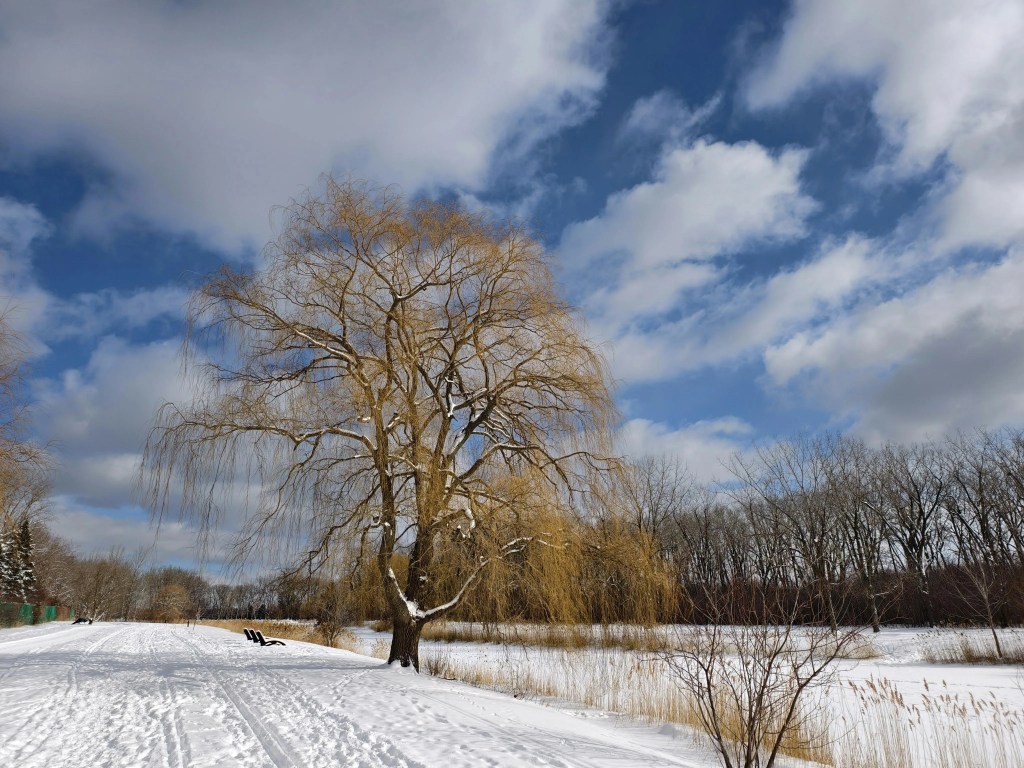
Resilience isn’t about being unmovable like an oak tree, standing rigid against life’s storms. Rather, it’s about having the wisdom of the willow — knowing when to bend, and how to flow with challenges rather than fight them. The strongest trees aren’t necessarily the most stubborn. As Robert Jordan beautifully puts it:
“The oak fought the wind and was broken, the willow bent when it must and survived.”
Through practices like meditation, breathing, mindfulness, and regular self-reflection — along with a healthy dose of patience — a natural kind of resilience can be developed.
The Mindset Shift: Are You Sabotaging Your Own Resilience?
As a teen, I used to have a t-shirt that read “Pretend I’m a Punching Bag”. It included artwork of a man with a black eye and cartoon tweety birds circling his battered head. But looking back, it perfectly captured my relationship with adversity. Every challenge felt like a personal attack, every setback another confirmation that the universe had it out for me.
The truth is, we often sabotage our own resilience without realizing it. It’s not that we want to stay stuck — we’ve just developed habits that keep us playing the victim. Like muscle memory for misery, these patterns become our default response to life’s difficulties.
Take the way we identify with our struggles. “I’m just not good at…” or “These things always happen to me”, and on and on. The problem is, these pessimistic mantras become self-fulfilling prophecies. When we wear our difficulties like a name tag (or a t-shirt), we give them more power than they deserve. It’s like we’re auditioning for the role of ‘Most Deserved Sufferer’ and, unsurprisingly, we land the part.

Then there’s our relationship with control. Many of us believe if we can just maintain perfect control over every situation, we’ll never face disappointment or failure.
Watch water in a stream for a moment — it never struggles against the rocks in its path. It doesn’t stop to analyse the obstacle or plan its route. It simply flows, instantly finding the path of least resistance. Yet there we are, spending hours analysing why something happened to us, building elaborate theories about other people’s motivations, trying to predict every possible outcome. We exhaust ourselves preparing for every scenario, only to feel more anxious and less capable when things inevitably deviate from our plans.
But here’s what resilient people understand: like water, they’ve learned to move naturally with obstacles rather than fight against them. They aren’t always luckier or more privileged — they’ve just learned to distinguish between what they can and cannot influence. They have accepted that life is chaotic and unpredictable, and that your plans can be dashed at any moment.
Instead of asking “Why is this happening to me?” they ask “What can I do about this? How can I realign with this unexpected change?” Instead of trying to control every variable, they learn to master their response.
The shift begins when we recognize these patterns. It’s not about denying difficulties or forcing positivity—it’s about choosing where we focus our energy.
Building Resilience: It’s Buried in Your Beliefs
Anger used to grip me in an instant. A broken wine glass while washing dishes, a miscommunication with a client, a small error in my work — each tiny mistake would lock me in a chokehold. It wasn’t until I started CBT therapy in 2012 that I understood why: these reactions weren’t random. They were tied to deep core beliefs about perfectionism and failure, planted long ago by a strict stepfather who taught me that mistakes were unacceptable, that I needed to be stronger; be more of a man.
Through Cognitive Behavioral Therapy (CBT), I discovered something profound that changed my life: my intense emotions were programmed responses running in the background, on autopilot. These beliefs run deeper than we realize — coloring every experience before we’re even aware of them. What I’d always brushed off as “just my personality” — that hair-trigger response to any mistake — was actually an old script playing on repeat, keeping me trapped in its loop.
Here are the practices that helped me build genuine resilience by working with, not against, my mind:
- Practice the Two-Hour Reset: When emotions take over, give yourself up to two hours to understand the story your mind is telling you – challenge thoughts like “I can’t do anything right” with actual evidence.
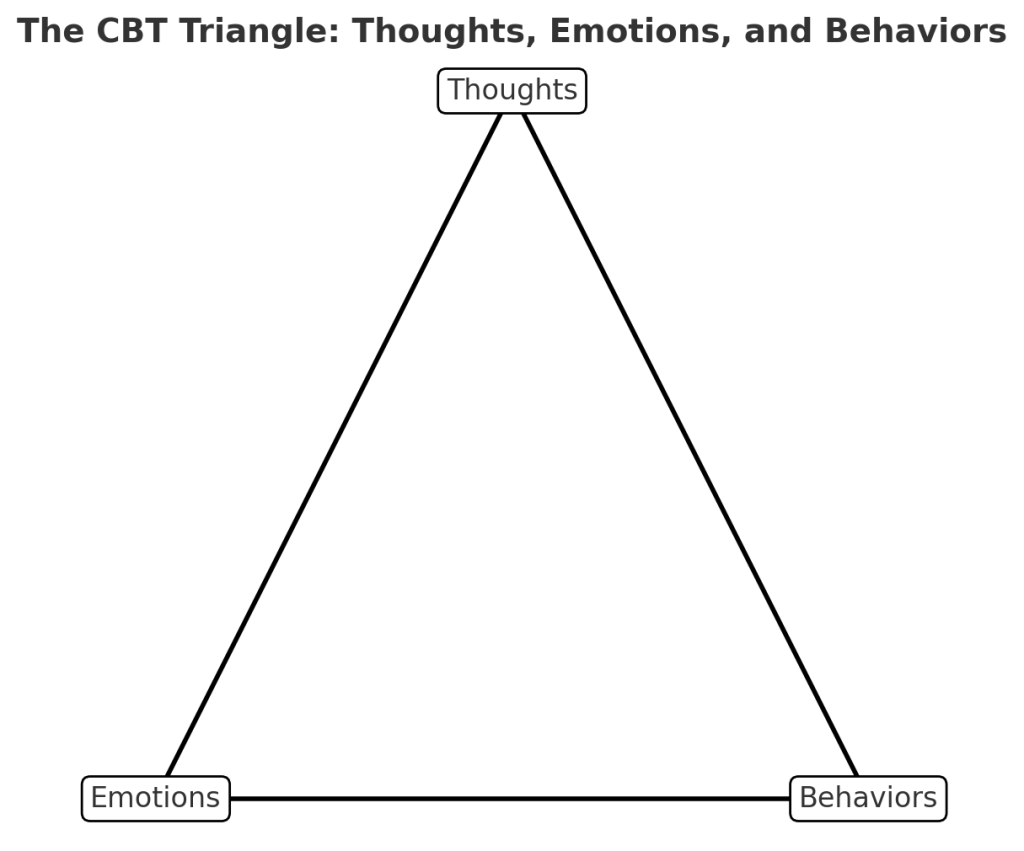
- Use the CBT Triangle: Identify the trigger event, notice what thoughts it creates (“I’m useless”), and watch how these thoughts affect your feelings and behavior. Just observing this pattern often breaks its power.
- Build a First-Response Kit: List 3 go-to moves for when perfectionism or other core beliefs strike. Mine are: Step away briefly, write down the thought pattern, and do one small action to move forward.
- Create Your Support System: Find people who get it. Not those who say “just get over it,” but those who understand that changing old patterns takes time and practice.
“I can be changed by what happens to me. But I refuse to be reduced by it.” ― Maya Angelou
Understanding our triggers and patterns isn’t about fixing what’s “wrong” with us — it’s about seeing how our past shapes our present. Once we recognize why we react the way we do, we can choose a different response. Each setback becomes an opportunity not just to survive, but to reshape our relationship with adversity itself.
Building Resilience: Your Next Chapter
Every person you’ve ever admired for their strength has faced moments of doubt, fear, and failure. They are just like you, and feel disappointment, anger, and all the colors of the emotional rainbow — especially black. What sets them apart isn’t some secret immunity to life’s challenges — it’s their willingness to work with these challenges rather than fight against them. Remember the willow tree bending in the wind? Strength is about adaptation and endurance rather than resistance.
Those who navigate life’s storms with ease have developed a different relationship with daily obstacles — they’ve learned that resistance only amplifies the struggle, while acceptance creates space for solutions. They meet each challenge with insight and examine the problem, rather than taking it personally.
For me, building this kind of strength has become a daily practice, and hey, I’m human, not every day is easy. But instead of being wrestled to the ground by my challenges like some WWE titan, I check on my feelings and thoughts before reacting. Yes, I still cry — we’re not impervious to pain — but I release it and move toward solutions. The goal isn’t to become a completely new person, it’s about uncovering your strength that’s been there all along, buried under those old stories and beliefs. Each time you face a challenge, you have a choice: let it define you, or let it refine you.
Some days you’ll handle things gracefully, other days you’ll need to lean more heavily on your support system or your two-hour reset. Just remember, the path forward isn’t about waiting for the storms to pass—it’s about learning to dance in the rain.
 Jakob Ryce
Leave a comment