Claire Keegan asked what my protagonist wanted. Losing my home gave me the answer.
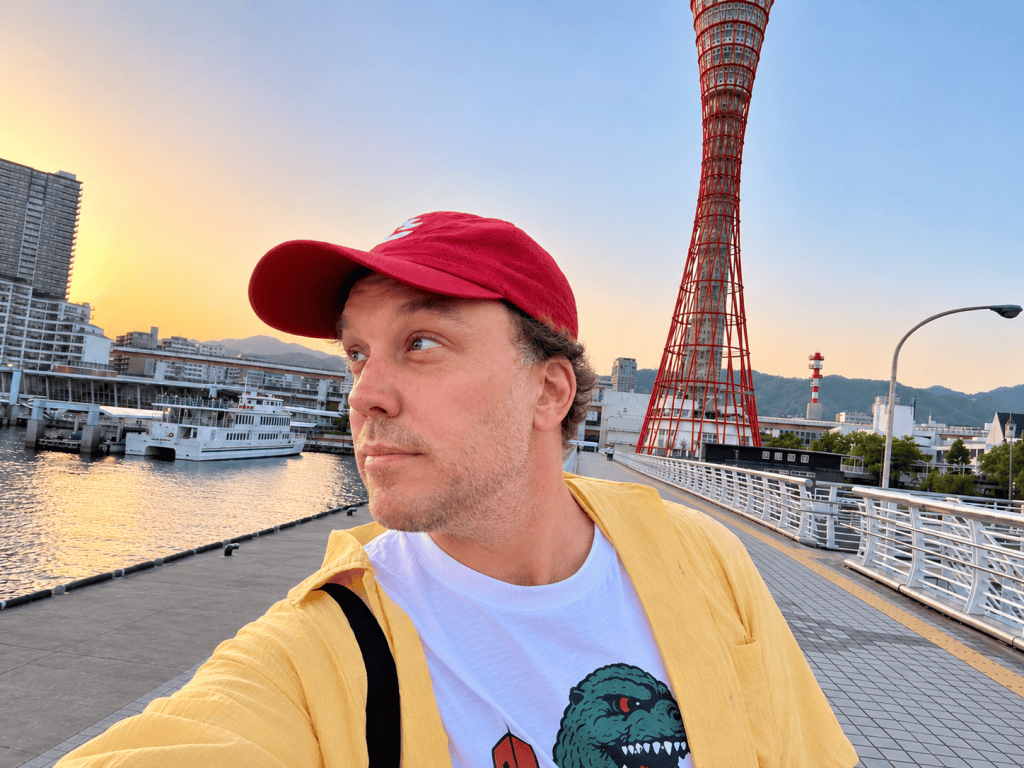
I’m writing two novels, and for nearly a year and a half I haven’t had a permanent home to write them in.
Since July 2025, the longest I’ve stayed anywhere is six to eight weeks. I’ve lived almost entirely out of Airbnbs across Southeast Asia, Japan and Europe. I’ve written in bedrooms, small apartments and borrowed spaces, surrounded by whatever I can carry. I’ve become very good at packing my few remaining belongings into a suitcase.
What I haven’t become good at is living out of one.
I’m not the first Australian to be pushed out of his own city by rising rents and a lack of work, and I won’t be the last. Don’t get me wrong. I work, and I earn a living as a teacher. I teach part-time by choice, because time is the real gold when you’re trying to be a novelist. That living just doesn’t stretch to Australian prices.
In Melbourne, rents that were once around $400 a week for a two-bedroom apartment were suddenly $600 to $700. By the usual guideline that rent should take no more than about a third of your income, you’d need to earn over $2,000 a week to live comfortably. Earn a lot less than that, and the city lets you know there’s no room for you.
When my lease ended, the owner sold up and the new owner wanted to renovate, so I had to move out. I found myself queuing with fifty or more people at every viewing, and the couples got the apartment every time. I ended up in Perth, living in a family home. I felt as though I’d lost my dignity. I was stuck, and while I was stuck, I wasn’t writing. I made some music, but my fiction sat there, largely untouched. I needed to get out.
What made leaving possible was teaching. I tutor Australian students online in literature and writing, and although it sometimes takes more energy than I’d like, it’s work I genuinely enjoy. Without those students, I wouldn’t have eaten, travelled or kept writing. Teaching has kept a roof over my head, even when that roof kept changing. And I would discover, unexpectedly, that it was doing something else for me. But first, I had to find my way back to fiction.
I sold everything I owned to start a new life in Chiang Mai, Thailand. I met so many expats there who had landed on their feet, people for whom things just worked. That wasn’t my story. I went through a string of failed apartments, including one where I lost a lot of money to hidden renovations and a broken lease. I kept trying. For a while, I lived in a guesthouse overlooking Wat Chiang Man, the oldest temple in Chiang Mai, where the city’s founding king is said to have stayed while the city was being built.
It wasn’t all bad. I made a few beautiful friends there, one of them from South Africa, connected with some of the locals, and got to know an American guy who ran a restaurant. There were evenings of laughter and drinks in the bars, that thick, warm humidity where a light shirt is all you need, and afternoons working on an article in the sun. There was a lot to love about Chiang Mai, and a lot of kindness to be found.
But a month or so after moving into the guesthouse, I was drugged, abducted from a bar, and subjected to violent abuse, an experience that came frighteningly close to ending my life. I’m not going to describe what happened here. It’s enough to say that I survived it, and that much of what followed took place in its shadow.
After six months in Thailand, I moved to Cambodia. In Phnom Penh, I signed a lease and tried to settle, but the pollution became unbearable. I left for Kampot, a smaller town near the coast.
At first I stayed in a hippie commune, in a mud hut with a sand floor, so small I had to crawl out of it and could barely stack my belongings. The community seemed to care about three things: smoking pot, playing pool, and getting wasted. If you weren’t sitting around for hours talking about nothing, you weren’t one of them. So I left, and eventually found a small hotel down a back street, slightly out of town. It was one of the first places I’d stayed in Southeast Asia that was actually quiet. The room was tidy and simple, the bed was comfortable, and perhaps because of how exhausted I was after months of backpacking in middle age, I could finally breathe out.
I started going to a café nearby. There I opened Scrivener, and there it was, sitting among dozens of abandoned projects: a manuscript I’d given up on years earlier.
The book was a young adult dystopian novel I’d begun in 2015. I’d written close to a hundred thousand words before losing my way with it. There was an elaborate fictional world, a large cast of characters and plenty of conflict, but something fundamental wasn’t working.
Years earlier, at a writing workshop in Melbourne, the Irish novelist Claire Keegan had asked me a deceptively simple question.
What did my protagonist want?
‘Freedom,’ I told her.
Keegan wasn’t satisfied. Freedom, she explained, wasn’t tangible enough. A character needed something specific to pursue.
At the time, I thought that was a bit reductive. Look at The Shawshank Redemption. Surely Andy Dufresne wants freedom above all else?
Over the years, though, I’ve come to think that what she was really asking was what freedom actually meant to my protagonist. Andy’s freedom has a shape, after all: a beach in Zihuatanejo, a small hotel, an old boat to fix up. So what did freedom look like for this girl? Did it mean going back to her mother, to the house where she was raised? Did it mean being able to exercise her own autonomy without persecution?
People don’t generally wake up in the morning pursuing abstractions. They want to see somebody they love. They want to find food. Protect a sibling. Reach a particular destination. Get home.
I’d spent years constructing a world for my protagonist without properly understanding what she needed within it. Politics, government, corruption, technology, class, institutional power: all of these things can give a speculative novel its architecture. But architecture is not story.
In Kampot, and later in Da Nang, Vietnam, I returned to the manuscript with renewed determination. Teaching and writing became the two things I organised my days around. I removed an entire subplot, dismantled much of the original narrative and began rebuilding it. Over three or four months, I wrote forty-eight chapters, and the novel finally began to take shape.
But something else was happening, something I only recognised much later.
For the last few years, all I’d really wanted in my own life was a steady home. Somewhere to put my books down. Somewhere to close the door. Somewhere I could reasonably expect to still be living the following month.
Somewhere in the rewriting, I began to understand that home was what my protagonist wanted too. She still wants freedom, but I finally understand what freedom means to her. She wants to find her mother. She wants to go home. Beneath everything else, she wants somewhere safe enough to remain.
And suddenly I understood her.
I’ve often wondered whether the novel would have become the same book if I’d stayed comfortably settled in Melbourne. Perhaps not. Experience has a peculiar way of changing our understanding of the characters we create, sometimes years after we first imagined them.
And the characters themselves have changed me.
My young adult novel follows a group of young people thrown into circumstances that demand far more of them than anyone their age should have to endure. Writing it has sometimes felt like shepherding a group of children through an increasingly dangerous world. I’ve watched them grow, make mistakes, find courage and discover what they’re willing to sacrifice for one another.
Their humanity moves me. Sometimes enormously.
I think my years of teaching have contributed more to this novel than I could ever have anticipated. Working with young people gives you a particular appreciation for their honesty, humour and emotional intelligence. Children and teenagers can have a startling clarity about the world, even while they’re struggling to understand their place in it. Before adulthood starts piling on its expectations, disappointments and pressures, there’s often a wonderful openness in how they see things.
Young people can be cruel, selfish and infuriating too, of course. Anyone who’s spent time in a classroom knows that. But they can also show extraordinary loyalty, compassion and courage. Those are the qualities that interest me most as a novelist.
There’s something else, too. When you’re constantly moving from one country to another, lasting relationships become difficult. You meet people, sometimes wonderful people, but eventually someone leaves. Usually it’s you. Then you’re somewhere else, starting again, introducing yourself again, explaining your circumstances again. After a while, it becomes exhausting.
And leaving can become a habit. Even when what you want most is to stop, part of you starts to wonder whether you’re really free, or just running from the idea of permanence.
The characters, however, remain.
I can leave Cambodia for Vietnam, or Japan for Germany, and return to the same people whenever I open my manuscript. I know their histories, their fears, their ridiculous habits. I know how they speak to one another. Sometimes they surprise me, which is one of the great pleasures of writing fiction.
In a sad but strangely comforting way, they’ve become some of the most consistent relationships in my life. I don’t mean that fictional characters can replace real human relationships. They can’t. But during a period when I’ve struggled to maintain those connections, the novels have given me a sense of continuity my circumstances haven’t.
Somewhere along the road, another novel arrived.
It began as a short story set on a small island off the coast of Florida. My intention was simply to expand the original piece, perhaps into a novella. But the premise kept growing and opening up possibilities I hadn’t considered, until I realised I was writing something much larger.
Then I found the narrator’s voice.
He’s a young man with a dry, occasionally exasperating sense of humour, someone who tends to shrug at the world and its absurdities. Unfortunately for him, something extraordinary happens to his family, something he can’t simply shrug off.
I’ve grown very fond of him.
There’s a particular pleasure in writing a character who makes you laugh, especially when your own life hasn’t been exactly funny. I can spend hours inside his head, watching him try to navigate circumstances that become harder and harder to explain.
And again, I find myself drawn to outsiders. People who don’t fit comfortably into the worlds they inhabit. People forced into situations that demand they become something they never expected to be. Perhaps that’s inevitable.
I’ve spent much of my adult life feeling as though I don’t quite fit the mould expected of me. I worked in copywriting and marketing for a time, but never felt particularly comfortable in that industry. The work could be interesting, and I was good at aspects of it, but the culture rarely suited me. There were rules, expectations and social hierarchies I struggled to navigate.
I never quite belonged.
For someone living with borderline personality disorder, that sense of not belonging can be particularly hard. Relationships, identity and emotional stability can be complicated enough without your connection to a place being cut, retied, and cut again.
My diagnosis is simply part of the picture, and it would feel dishonest to write about the last year and a half without acknowledging it.
There have been periods when I’ve barely survived. When people tell me what I should have done differently, I sometimes wish they understood how much effort it has taken just to keep going.
The novels haven’t solved those problems. They haven’t given me financial security, a permanent address or the relationships I’ve struggled to maintain. But they’ve given me something to work towards, and people, albeit imaginary ones, whose stories I feel compelled to finish.
Some of my most productive writing has happened not when I’ve been moving, but when I’ve finally stopped.
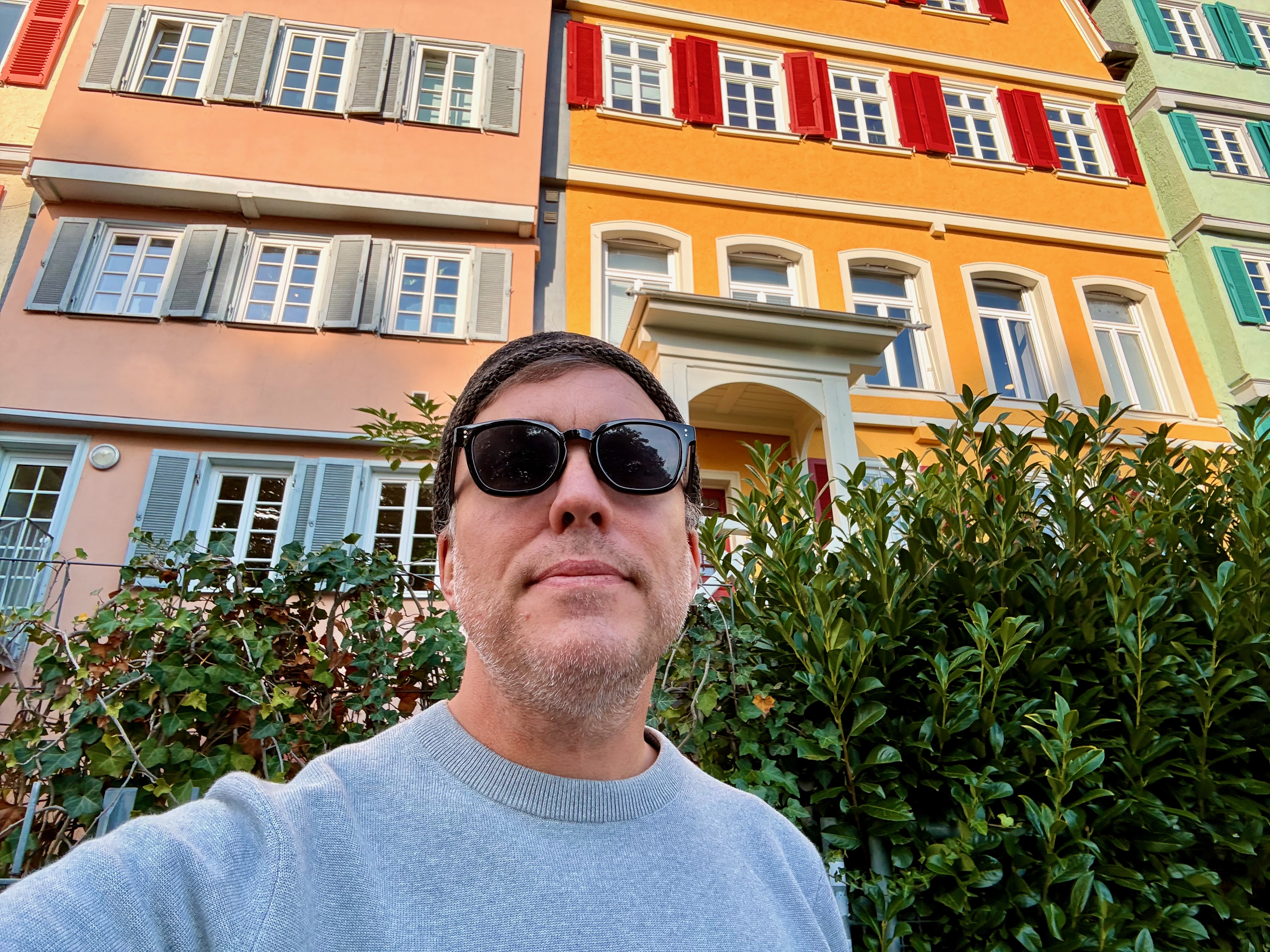
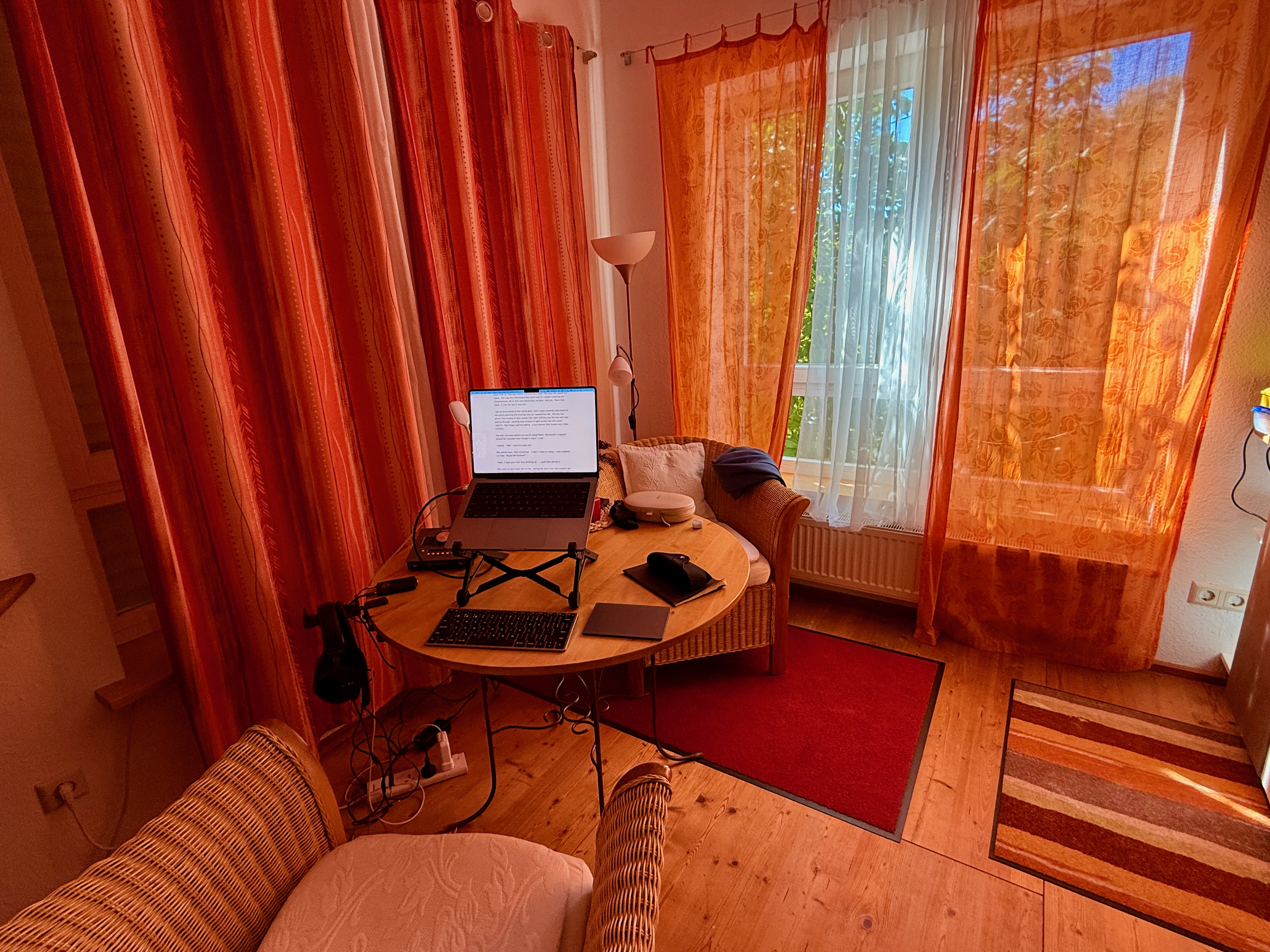
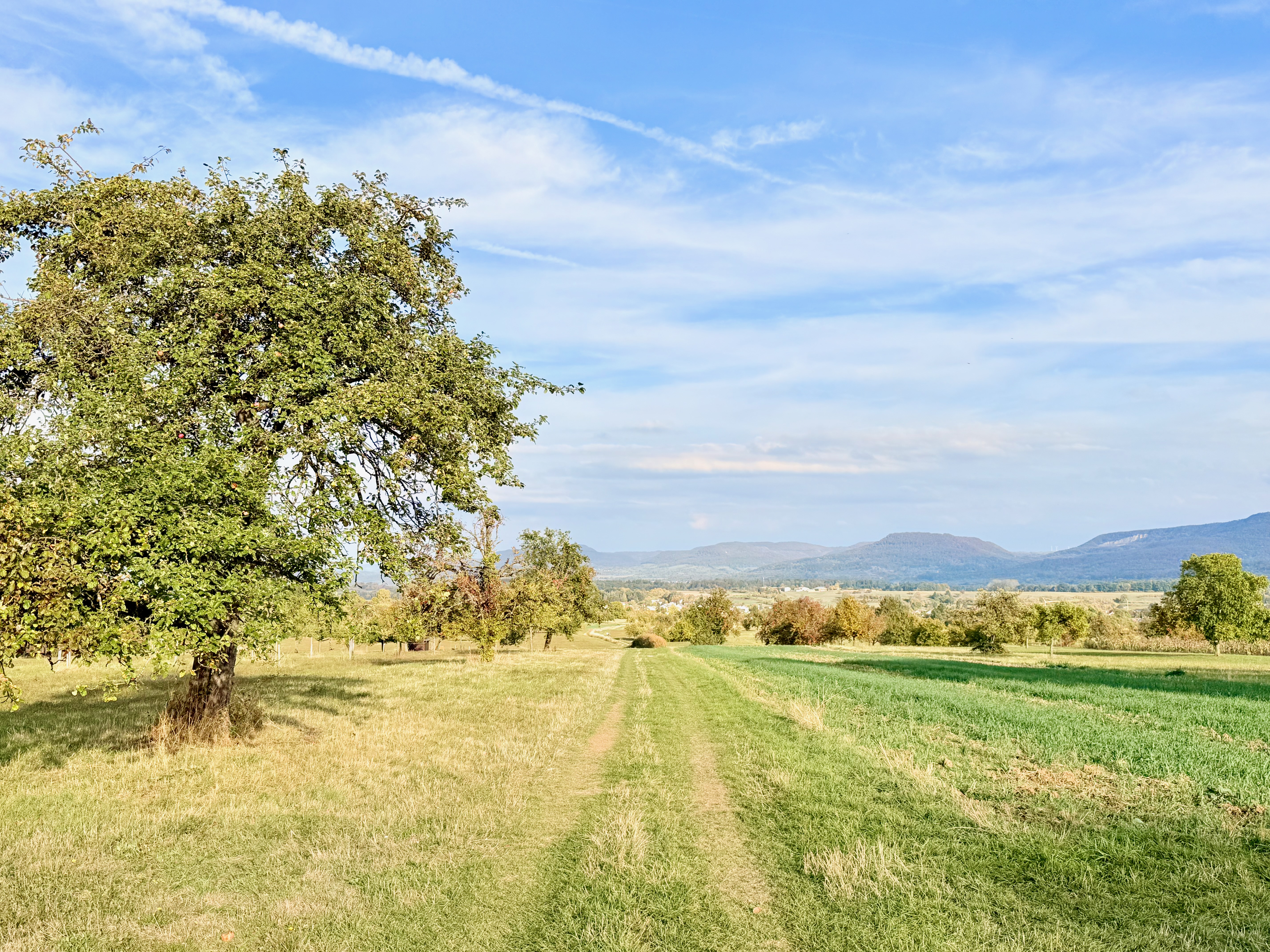
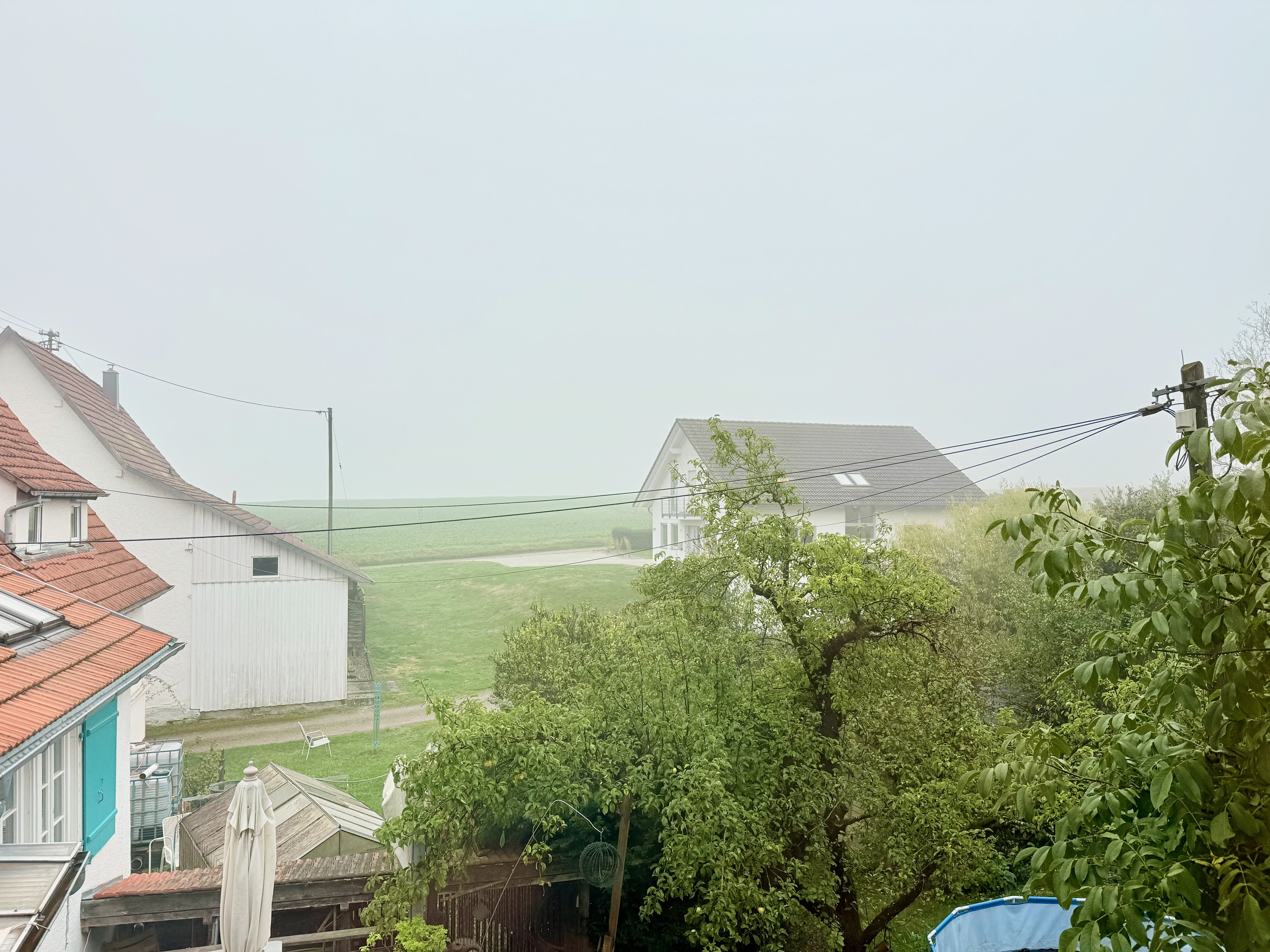
One of my favourite places over the last year and a half was Bodelshausen, a small village in southern Germany. I stayed with a retired couple and spent my days walking through forests and fields. There were apple trees everywhere, and the apples dropped like leaves. You could pick one up, eat it, and keep walking.
Sometimes I’d walk for hours, thinking through scenes, listening to the characters in my head, working out what might happen next. Then I’d go back and write. During those weeks, I made enormous progress on the Florida novel.
There was no great revelation, no dramatic breakthrough. Just quiet surroundings, beautiful countryside and enough peace to think.
I’d spent months moving through unfamiliar places, collecting experiences and meeting people I never would have met if I’d stayed in Australia. Then, for a few weeks among the apple trees, I had the space to turn some of that experience into pages. It was the same thing that happened in that quiet hotel room in Kampot.
Perhaps that’s one of the contradictions of this journey. Movement has given me material, but stillness has often given me the chance to use it. And I increasingly suspect I need more of the latter.
Writing novels is a strange occupation. You can work for years on something nobody else has read. Entire lives unfold inside your imagination while, to the outside world, very little appears to be happening.
I’ve spent countless hours creating characters, developing relationships, building fictional places and trying to understand why people behave as they do. And yet there’s very little tangible evidence of that work beyond hundreds of pages on my computer.
Novels demand patience, and sometimes more faith than I feel capable of giving them.
But I love the form. I love the room it gives me to explore people, to let relationships develop, to let the consequences of one decision ripple through hundreds of pages. I love discovering that a character I thought I understood is capable of surprising me. And perhaps most of all, I love that a novel gives you somewhere to return to.
For nearly a year and a half, I’ve lived between two very different kinds of story. One follows young people searching for safety in a world determined to deny it to them. The other follows a family trying to protect the small, fragile world they already have.
I seem to be living somewhere between the two.
I’m tired of moving. I’m tired of wondering where I’ll be sleeping in six weeks, or whether the next room will be quiet enough to work in. I’m tired of constantly calculating what I can afford, what I can carry, and what I might have to leave behind.
I’ve met some extraordinarily kind people along the way, and I’ve seen places I might never otherwise have visited. I’m grateful for those experiences. But I don’t want to romanticise a life that has often been frighteningly precarious.
I’d like a home.
I’m writing this from Heidesee, just outside Berlin, in another Airbnb, this time with a lovely family, a mother and her daughter. My host even took the time to read my short story One in a Thousand, published back in 2018 and, so far, the only one to find a home in a literary magazine. It’s been a welcome bit of kindness along the way.
I’ve also finally secured a German residence permit, but I still question whether Germany is someplace I could call home. I tried living here once before, fourteen years ago, and now I’m back. But returning to a place doesn’t necessarily mean you’ll find what you were looking for.
Travel changes you. You start to become dissatisfied more easily, as if there’s always somewhere better waiting. After spending most of my life searching for a place to belong, I think I may finally know where I’d like to go next. I’m applying for further study in the United States, hoping it might eventually allow me to combine writing with teaching literature.
Wouldn’t that be nice.
For now, I have two unfinished novels, one about seventy percent complete and the other catching up, a handful of short stories out with magazines, and a suitcase I’ll have to pack again soon.
I used to think I needed a stable home to write these books. Instead, while I’ve been searching for one, the books have become one of the few stable things in my life.
Wherever I go, the characters come with me.
I know how to write my protagonist towards somewhere safe enough to remain.
I’m just still working out how to get there myself.
Originally published in Age of Empathy on Medium, November 2026.


Leave a Reply